Since it’s not every day you shop for a toilet seat replacement, you may be unaware that there are multiple standard toilet seat sizes. To make sure you pick a new toilet seat that will fit, take all the proper measurements before you head to the home improvement store. After all, they frown upon you bringing your own toilet seat from home for comparison.
How to Measure for a New Toilet Seat
You need to measure three points:
First, you need to remove your toilet seat and your toilet seat base hinge.
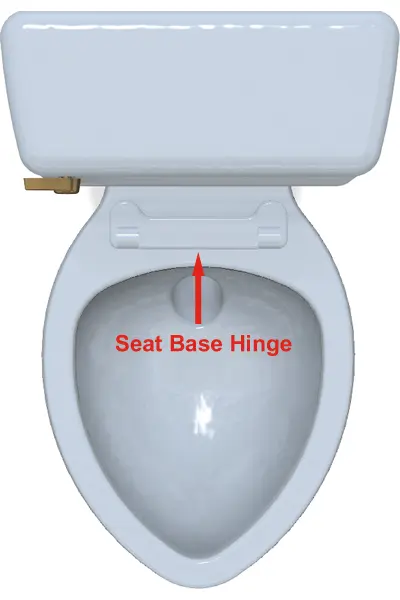
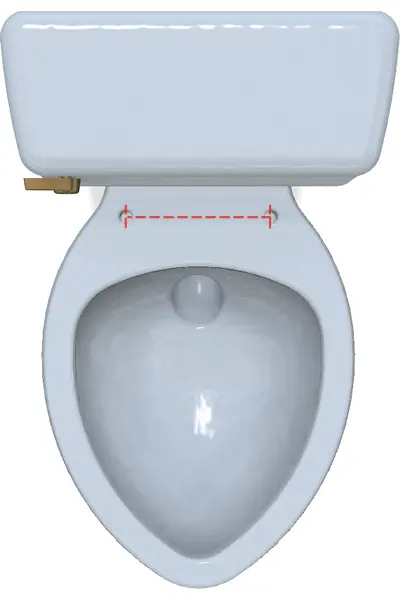
Find the bolts where the toilet seat attaches to the bowl and measure the distance between the hole center points. For your reference, the most common measurement for US toilet seat bolts is 5.5 inches, but you must still measure yours.
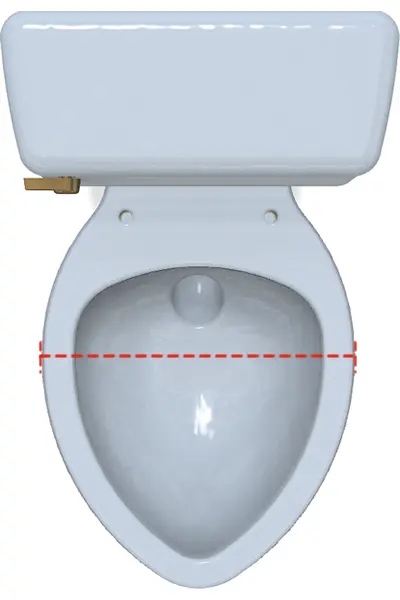
Second, measure the width of the bowl at its widest point. Be sure to place your measuring tape on the outside of the brim for an accurate dimension.
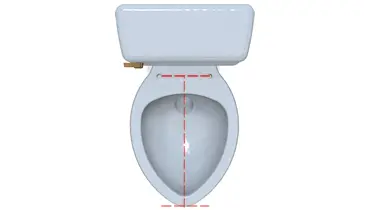
Third, measure the length of the bowl from the center between the seat bolts to the bowl front's outside edge. If you have a round bowl, this dimension should be around 16.5 inches. If you have an elongated bowl, the measurement should be around 18 to 18.5 inches.
Choose a Toilet Seat Material and Style
Armed with your measurements, you’re ready to hit the hardware store. Once there, you’ll realize you have many toilet seat materials and styles to choose from.
The most common material is high-impact plastic or a plastic coating over composite wood. You can find many colors and styles, from traditional white to classy black to spunky prints and patterns. If you want your toilet to make a statement, you certainly have the option to do so.
Wood is another common toilet seat material. Natural wood, bamboo, and medium-density fiberboard are popular options. Wood is naturally hygienic, so the surface remains cleaner than your average plastic toilet seat. However, if you forget to dry the seat promptly after cleaning, it could sustain water damage.
Specialty materials, including cushions and elevated seats, are suitable for people recovering from childbirth or surgery. Cushioned toilet seats are nice and soft, and elevated versions make it easier to stand up. These materials also feel warmer to the touch than wood or plastic, but they tend to split and crack over time, requiring more frequent replacements. Since they’re typically reserved for temporary use anyway, this may not be a problem for you.
Install Your New Toilet Seat
Once you’ve selected and purchased a new toilet seat, the final step is to install it.
- Remove the old toilet seat: Pry open the seat bolt caps with a screwdriver and unscrew the bolts. If they don’t seem to come loose, you may need to hold the nut on the underside of the toilet bowl steady with one hand. With the bolts removed, lift the seat off of the toilet.
- Prepare the surface for the new seat: Thoroughly clean the toilet bowl and the newly exposed bolt holes with a multipurpose cleaner.
- Install the new toilet seat: Align the seat bolts with the holes and push them through. Loosely screw on the nuts from the underside. Center the seat on the bowl and then tighten the nuts snugly. Snap the bolt caps into place, and your job is done!
Let Mr. Rooter® Plumbing Help You with Toilet Issues
Measuring for and installing a new toilet seat is something you can easily perform yourself. However, for a replacement toilet installed, leave the task to Mr. Rooter Plumbing. All of our services are backed by the Neighborly Done Right Promise®.
To schedule plumbing services, please contact Mr. Rooter Plumbing today.
This article is intended for general informational purposes only and may not be applicable to every situation. You are responsible for determining the proper course of action for your home and property. Mr. Rooter Plumbing is not responsible for any damages that occur as a result of this blog content or your actions. For the most accurate guidance, contact your local Mr. Rooter Plumbing location for a comprehensive, on-site assessment.