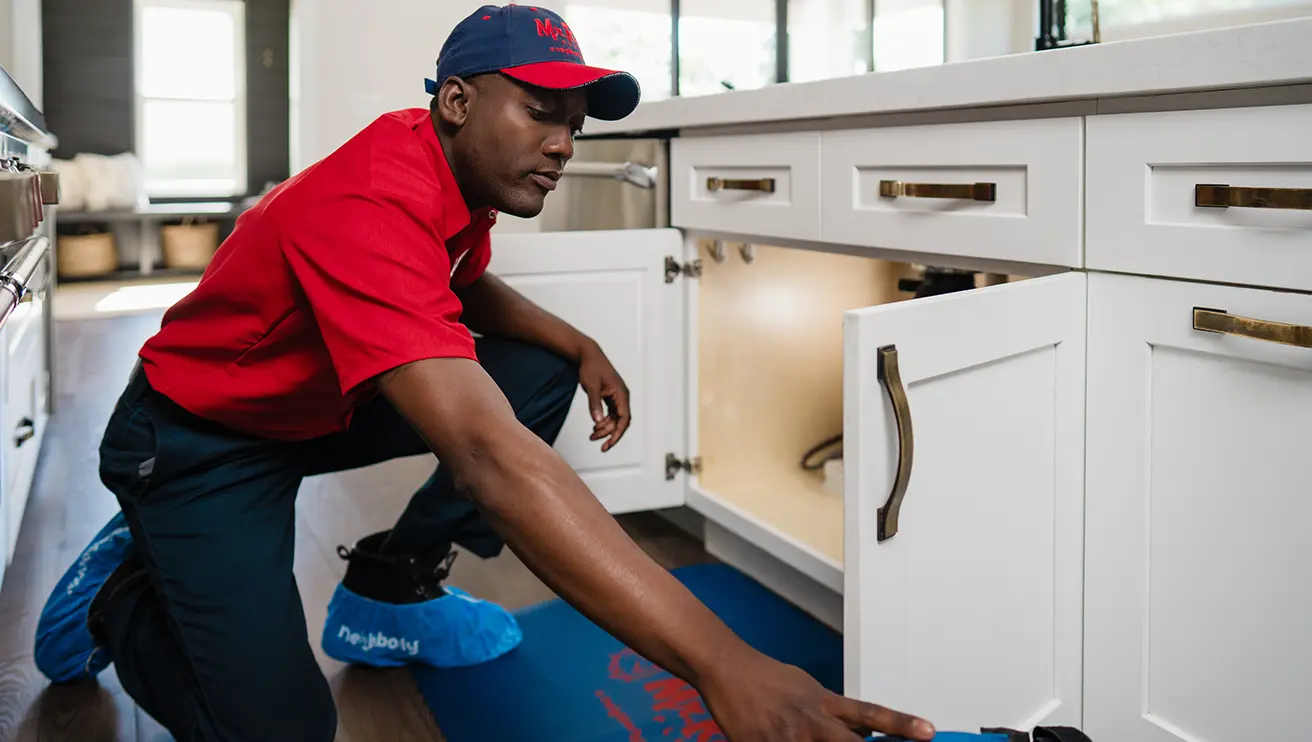
All your home’s drains have a singular responsibility, and Mr. Rooter Plumbing of Josephine & Jackson Counties has impressive expertise in all problems drains develop. Clogs can form in drains for different reasons, so you need a service professional to find the best solution. We've outlined standard drains in residential structures and the various reasons they clog:
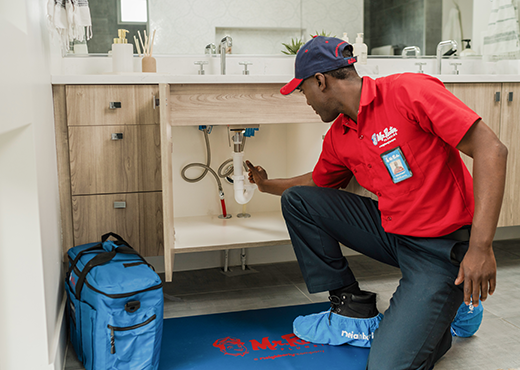
- Bathroom Drains – Toothpaste, soap, and hair are the most common materials causing bathroom drain clogs. Simple drain covers in your shower or tub will collect loose hairs as they wash out every time you bathe. You can also run hot water while brushing your teeth to prevent toothpaste from hardening in your pipes and forming an obstruction.
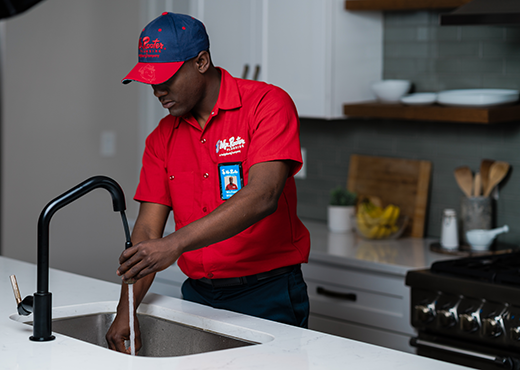
- Kitchen Drains – Bits of food, oil, and grease are the main kitchen drains clog culprits. Whenever you clean your kitchen following a meal, these materials wash down your drain as you rinse and scrub your dishes. Oil and grease are incredibly problematic since they stick and harden inside your pipes. You can reduce your risk of clogs with the garbage disposal, but we advise you to avoid washing specific foods like meat, bones, and fibrous vegetables down your drain.
- Floor Drains – Leaves, dust, and dirt commonly clog floor drains in your home. You can find these drains in laundry rooms, basements, and garages. Clogs in your floor drains can cause backups and result in floor damage. While you may not see these drains daily, you should still clean them regularly to reduce the chance of developing clogs.
Helpful DIY Solutions to Clogged Drains
To identify a clogged drain, one of the best places to start is determining if your sink has drainage issues. Mr. Rooter Plumbing of Josephine & Jackson Counties provides a list of simple ways to try to fix a clogged drain yourself before calling us for help:
- Prepare a pot or kettle of hot water while letting your sink drain if it still has some water movement. Boiled water can effectively clear clogs composed of hardened oils and fats in your drain. Carefully pour the kettle of hot water down your drain after the water drains most or all the way. We strongly recommend scheduling routine cleanings and inspections to keep your pipes draining effectively.
- You can use a plunger and drain snake as another simple way to get rid of clogs. Sink plungers are smaller than other options and easier to manage. You can use a sink plunger to pull a clog near the drain opening and then pull the clogged material out of your drain using a drain snake. Instead of flushing the material down your pipe and risking further obstructions, we advise you to throw it away in your trash.
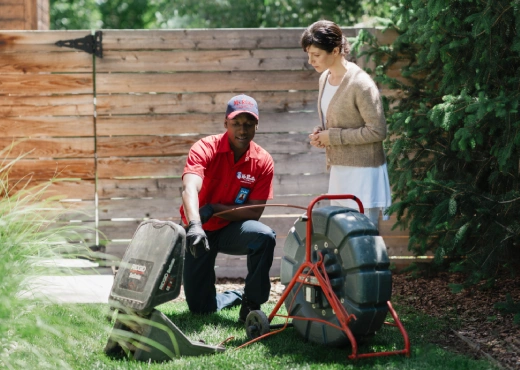
- Your next step is to call our service professionals if your clog still doesn’t clear from the solutions mentioned above. A standard drain snake can’t snag clogs lodged too deep in your plumbing, such as tree roots invading and clogging your pipes. More extensive plumbing solutions are necessary for this clogged type.