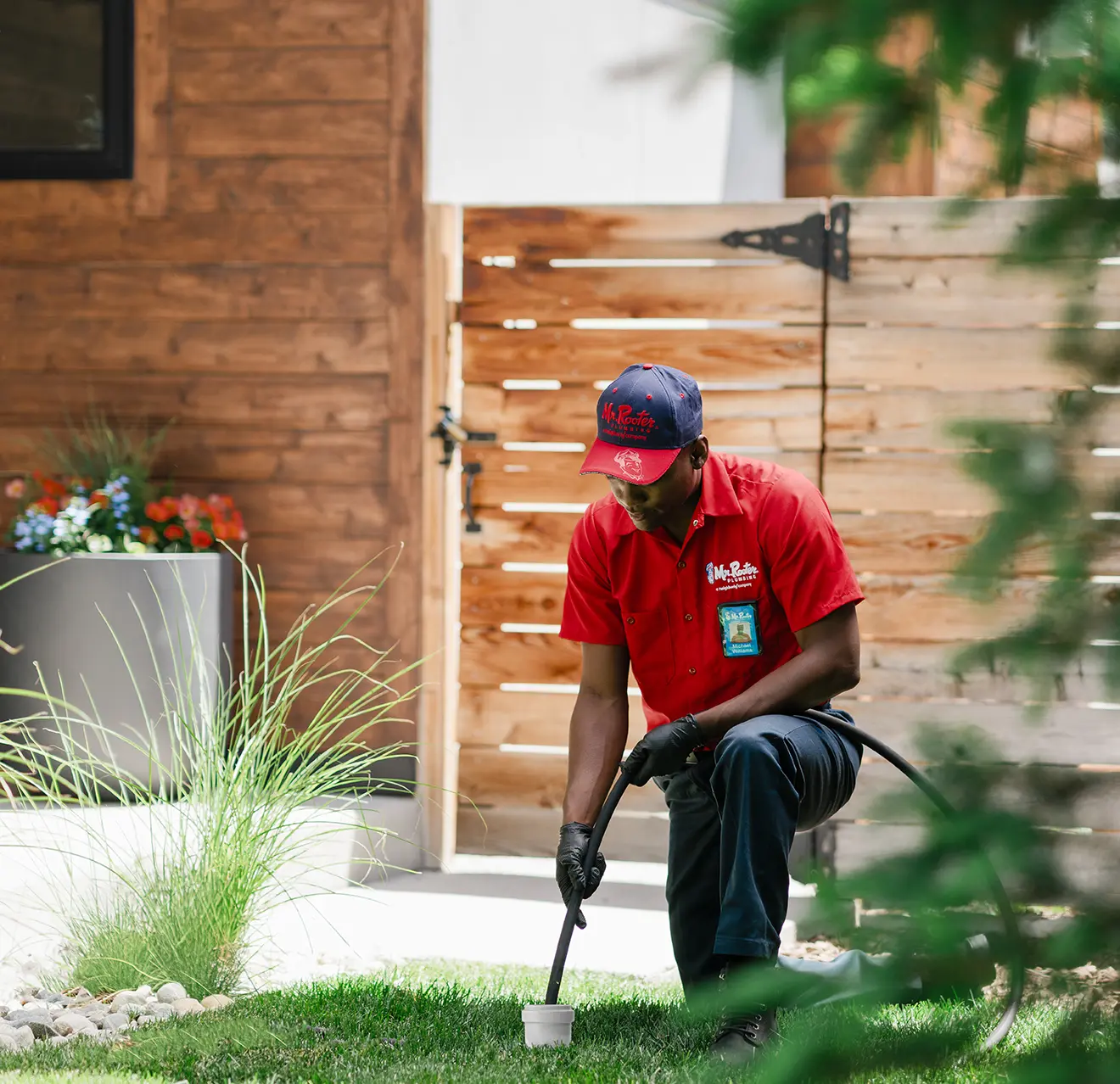
A sewer line backup is among the most difficult and undesirable plumbing problems a homeowner can face. When wastewater has nowhere to go, it can back up through toilets, sinks, and floor drains, causing severe damage and creating unsanitary conditions. We often hear all of the following common causes of sewer backups.
Without a doubt, tree roots are the top cause of sewer line issues. As trees grow, their roots naturally search for moisture, and underground sewer pipes pose an inviting target. Over time roots can invade pipes causing blockages, cracks, and even pipe failures. Another major culprit is grease buildup. When cooking fat is drained, it cools down and hardens in the pipes, leading to hordes of thick sludge that blocks the water flow and causes clogs. Wipes, paper towels, and hygiene products are non-flushable, everything we throw into the toilet can collect in the sewer line and cause major blockages. Older or degraded pipes can also break or collapse from shifting soil, extreme weather, or natural wear and tear. Heavy rain and flooding also can overwhelm municipal sewer systems, leading to backups that can affect entire neighborhoods.
- Tree Root Intrusion – Roots are naturally drawn to moisture, and can invade sewer pipes leading to cracks, blockages, and pipe failures.
- Grease Build-up—When we cook, we use fatty materials such as oil and butter, which solidify in our pipes over time, creating a blockage.
- Non-Flushable Items – Wipes, towels, and hygiene products can build up in sewer lines, causing tough-to-dislodge clogs.
- Aging or Damaged Pipes —Older pipes may collapse or crack if the soil shifts, extreme weather occurs, or they suffer general wear and tear.
- Heavy Rain & Flooding — Too much water can cause municipal sewer systems to overflow, causing widespread backups in homes.