“Trenchless” pipe lining takes less time to finish and repairs your crack or otherwise damaged pipe definitively for a long time. However, you should always leave this service in the hands of Mr. Rooter Plumbing of Newark’s highly trained service professionals. You can count on us for a wide array of plumbing solutions, whether you have a stubborn drain clog or need pipe-cutting services. We’ve outlined each of the four steps we follow to complete this pipe restoration service to help you understand how much easier this option can be to get your pipes back in working condition:
Step One
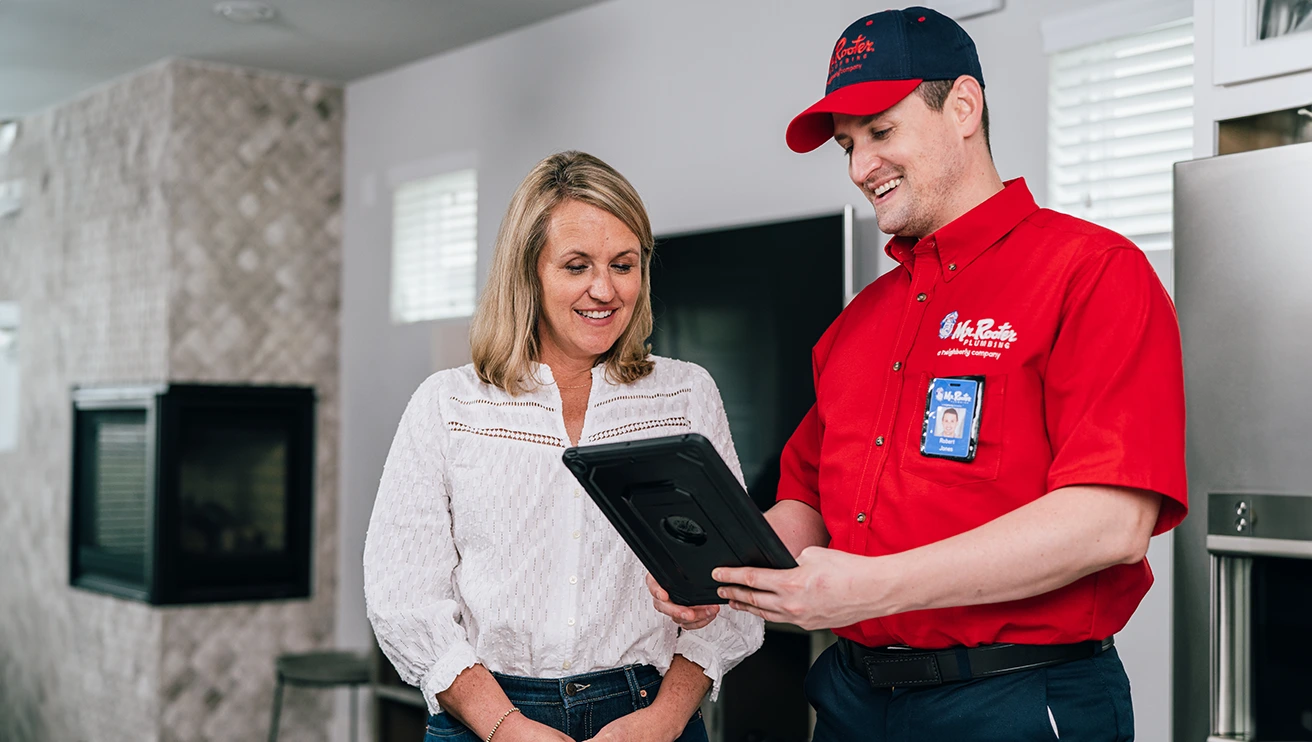
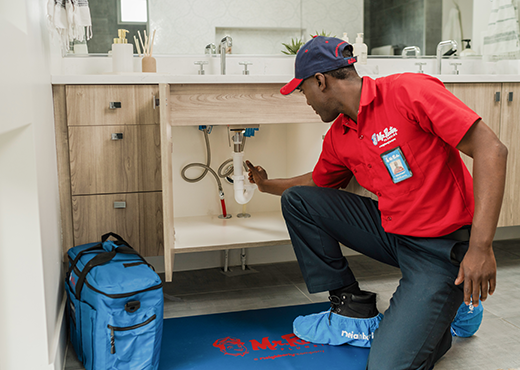
The first step is to verify your pipe is a qualified candidate to perform residential pipe lining. Mr. Rooter Plumbing of Newark’s team starts by having one of our service professionals examine your pipes and assess their damage’s extent. Industry professionals used to accomplish this step using closed-circuit cameras. But today, we can use forced electron leak location (FELL) equipment to complete a more thorough inspection. This technology also lets us create more effective solutions to resolve your damaged pipes.
Step Two
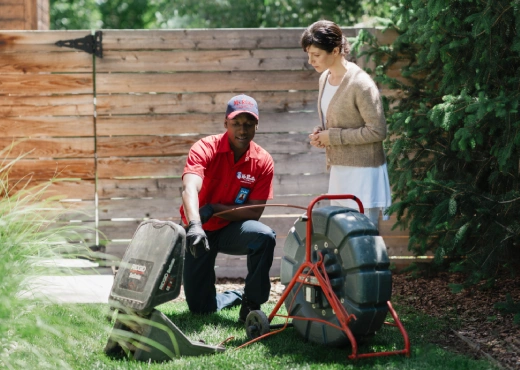
After confirming your pipe qualifies for pipe relining services, we prepare and measure it. This step involves thoroughly cleaning your blocked pipes to restore their original dimensions. We always employ regular cleaning methods first and remove any blockages with robotic cutters in most cases. Following regular cleaning and blockage removal, our service professionals ensure your pipe walls are completely clean using a high-pressure water jet to get them ready to the resin to attach. We then employ our camera equipment a second time to confirm your pipe is fully prepared for insertion. Finally, we calculate your pipe’s length to determine the lining’s length.
Step Three
The third step includes inserting and curing the pipe liner inside your existing pipe. Epoxy resin saturates the flexible felt tube, and we carefully insert it through your pipe’s applicable length. There’s a bladder inside the tube that we inflate, effectively pushing it to form to your pipe’s inner walls. The next action is curing the tube, which is the longest part of the pipe-lining process. We use hot water to harden the lining’s resin and then employ ultraviolet (UV) radiation for final hardening. Before we can complete the process, we must cut out the junctions and inspection pits using robotic cutters for the junctions and grinders or surface-level cutters for the inspection pits.
Step Four
Mr. Rooter Plumbing of Newark completes the last step of the process with a final inspection. After deflating and removing the bladder, our service professionals verify we have placed the liner appropriately using the remote camera from the previous steps.