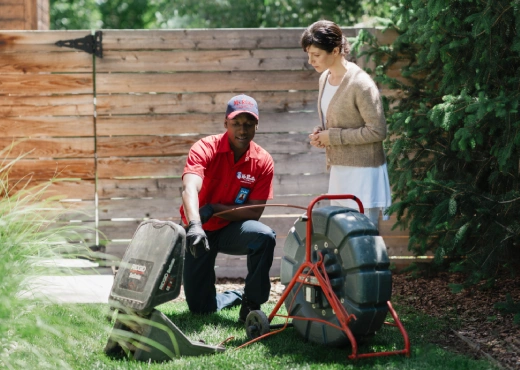
Some of the indicators that your sewer line needs attention are detectable before the problem becomes crucial. What happens underground has a way of showing itself. Between the presence of water and the naturally nutritive material typically found in the line, a leak in sewage pipes often creates a healthy patch of grass to grow. You may also notice a wet spot where the rest of the grounds are dry despite there being no faucet or sprinkler nearby.
Another obvious sign of a sewer line problem is the unmistakably unpleasant odor. You may find you are aware of it, but you just cannot pinpoint its origin. That is related to how the pipelines work. You have clean incoming water as one line. Then you have the outgoing sewage line that includes all your drains from the laundry to the bathroom. You should throw in the kitchen sink, too.
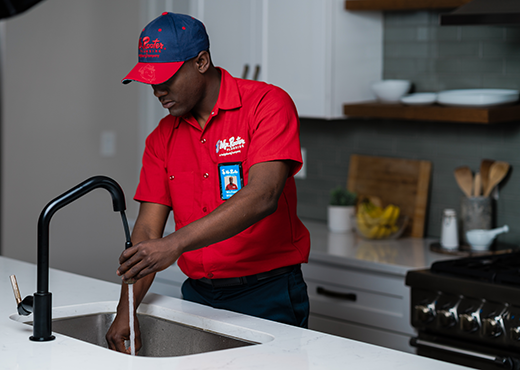
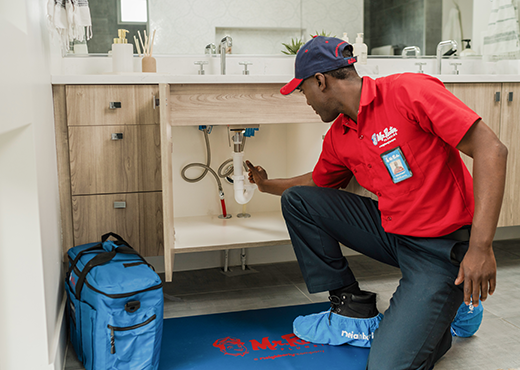
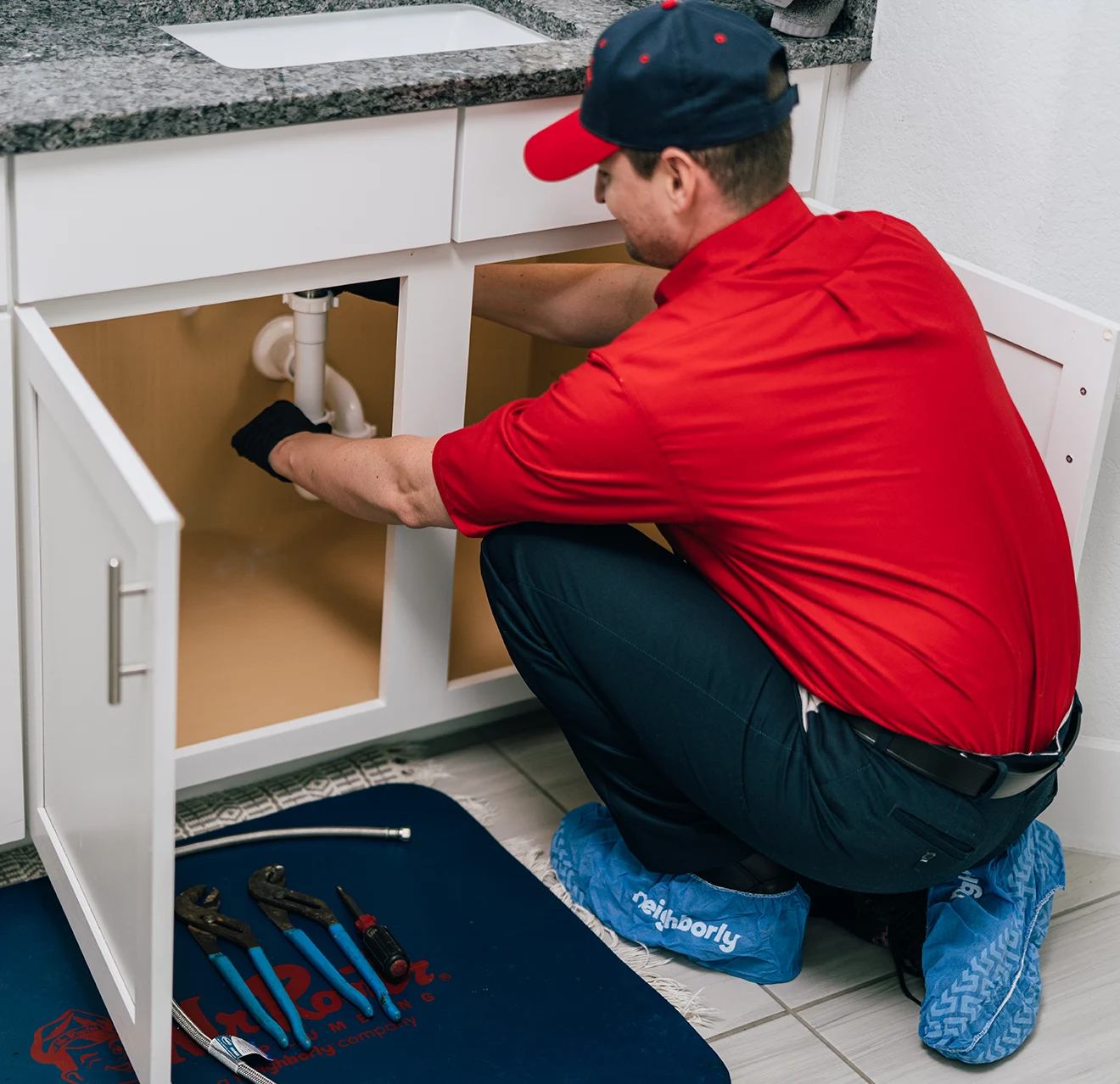
The problem with the outgoing line is that a clog or a leak can affect other things that also use it such as the sinks, showers, tubs, toilets and their drains. Water may back up in any or all these facilities. You may hear gurgling sounds when you run the water. This may occur after running the dishwasher or the washing machine.
When things get bad, you may see water pooling and drainage terribly slow. Water can pool on the floor near tubs and sinks. You may even notice the toilet water bubbling when you use the sink. It need only be a singular clog or leak in the line that produces multiple symptoms since they operate on the same outgoing line. This also explains why it would be so hard to identify exactly where the foul smell is emanating from.