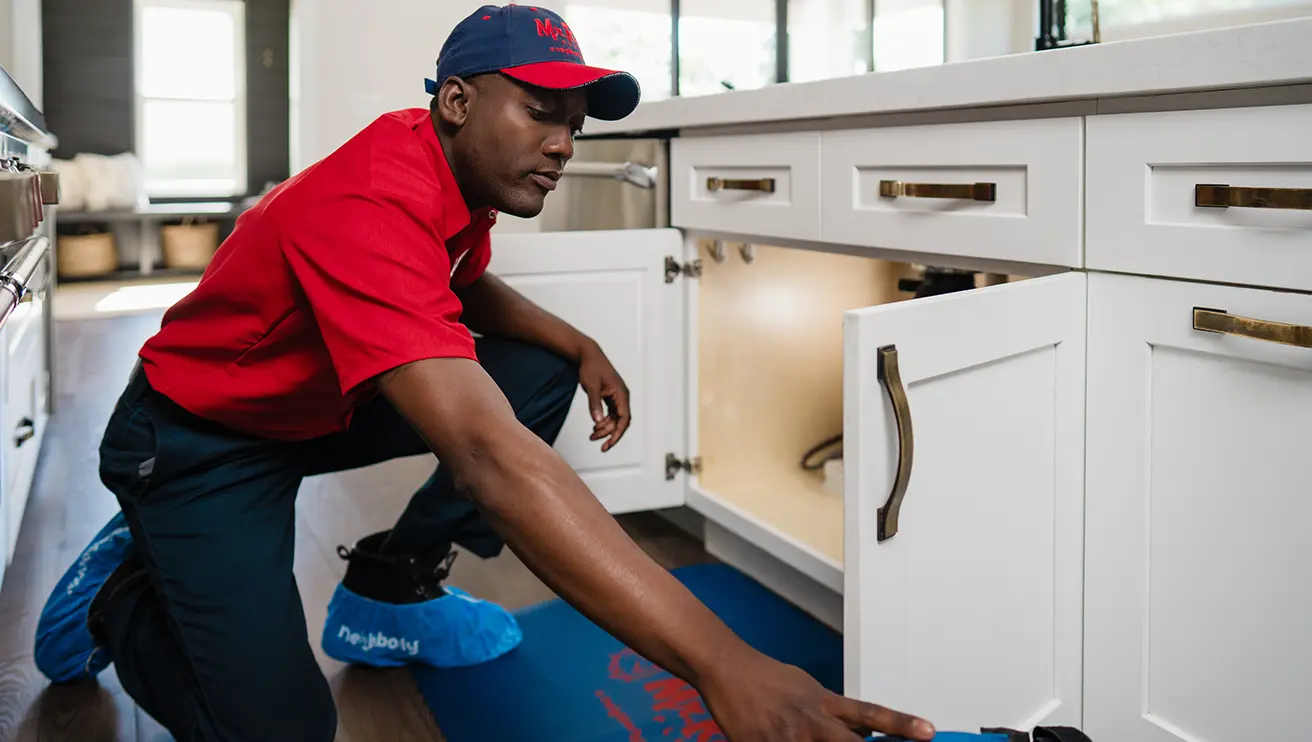
While all drains serve the same purpose, there are actually many different drains around your home. Each of them has a different design. As a result, we need to use different techniques to clear clogs in each type of drain. The most common types of drains and the reasons they become clogged include:
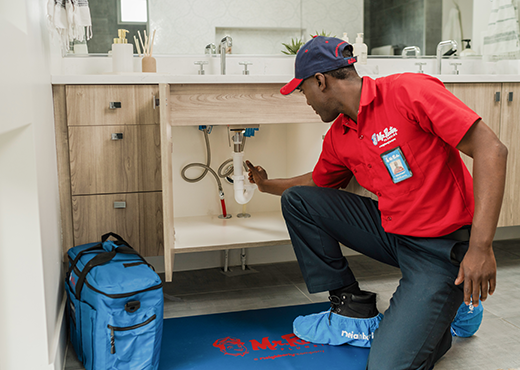
- Bathroom Drains – Bathtubs, toilets, and bathroom sink drains handle a lot of debris, from toothpaste to hair. These forms of wastewater are prime culprits for clogging drains. To reduce the likelihood of clogging these drains, install a simple drain cover in your bathtub to catch hair. It is also helpful to run hot water while brushing your teeth to prevent toothpaste from hardening in the pipes.
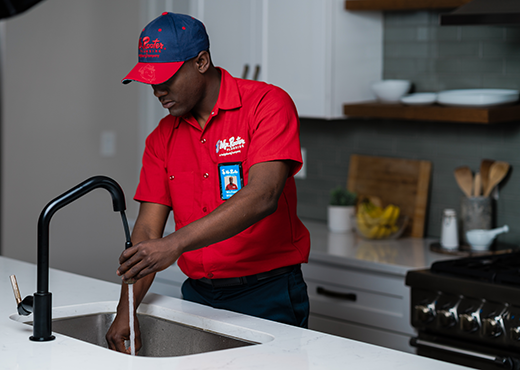
- Kitchen Drains – Kitchen sink drains have to handle oil, grease, and small pieces of food. No matter how vigilant you are about these problems, this kitchen waste will eventually build up in your drain. Oil and grease clogs are widespread problems because they turn into thick gunk that cannot be easily washed away.
- Floor Drains – You may have floor drains in your garage, basement, or laundry room. As water passes over the floor of these areas, it picks up all sorts of dirt, dust, and debris. These particles are known to clog drains. When your floor drains become clogged, you can experience flooding in areas that rely on them.
Mr. Rooter® Plumbing of San Bernardino’s Clog-Clearing Tips
We always recommend calling a professional when you need help with a clogged drain. However, we realize that sometimes you need to get your drain flowing right away. Chemical drain cleaners can damage pipes, and taking apart plumbing on your own is not recommended. However, you can try a few simple things at home if you need to deal with a clogged drain. The easiest way to attack your clogged drain is with the following steps:
- If you have a slow-flowing drain, let it drain until it is empty. At the same time, boil a pot of water. Hot water is very effective at breaking up clogs, especially in kitchen and bathroom sinks. The heat can break up hardened oil and grease. Once the sink is empty, pour the hot water down it. You may need to repeat this process a few times to get the sink flowing freely.
- A sink and plunger are two of the most reliable plumbing tools. When used together, they can get rid of the most annoying clogs. Use a sink plunger to pull the clog closer to the drain. Once the clog has moved as close as possible toward the drain, use the snake to retrieve the clog one piece at a time.
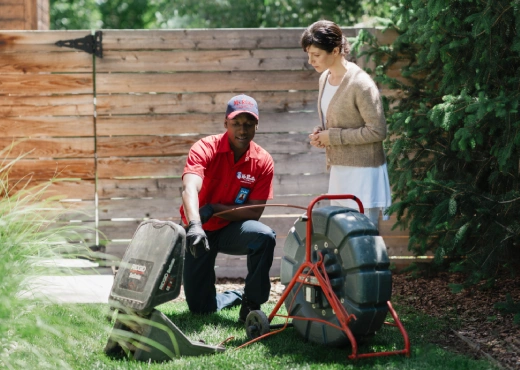
- While these plumbing tricks help clear a clogged drain in a pinch, you still need help from service professionals. Clogs are usually a sign of a deeper problem, like insufficient maintenance or even tree root intrusion on your underground pipes.