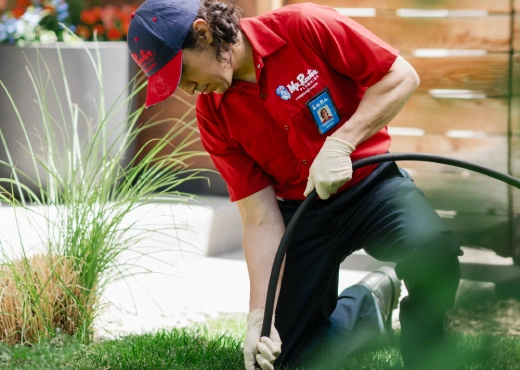
Clogged drains aren’t as easy to identify as people typically think. People tend not to notice a clog unless their water stops flowing down drains and they have backups in their sinks. However, this indication isn’t the only way to tell you, you need a professional to clean your drains. You can spot a drain clog by noticing several other plumbing symptoms. Mr. Rooter Plumbing of San Joaquin County’s drain cleaning experts respond quickly to calls to assess and resolve drain issues whenever any of the following signs affect your home’s plumbing and property:
- Backed-up toilets
- Bad smells coming from drains
- Slow-draining and gurgling sinks
- Bubbling sounds produced by your toilets
- Puddles of water collecting on the floors around your sinks, bathtubs, showers, and laundry appliances
What Drains Are in My Home?
All drains in your home have one universal function, and Mr. Rooter Plumbing of San Joaquin County’s in-depth expertise in all plumbing issues includes drain-clearing solutions. Clogs can form in drains for many reasons, so you need a service professional to find the best solution and resolve it conclusively. Below, you’ll find descriptions of multiple drains you find around homes and the reasons clogs develop in them:
- Bathroom Drains – Hair, soap, and toothpaste are the most common drain clog causes in bathroom drains. Installing simple drain covers will collect the loose hairs washing out whenever you take a shower. You can also run hot water while brushing your teeth to prevent toothpaste from hardening in your pipes.
- Kitchen Drains – Bits of food, oil, and grease are the main culprits forming clogs in kitchen drains. These materials get washed down your kitchen sink drain whenever you clean up after a meal. The worst materials are oil and grease since they stick inside your pipes and harden. While garbage disposals can decrease your chance of forming clogs in your drain, we strongly recommend not letting specific foods wash down your drains, such as bones, meat, and fibrous vegetables.
- Floor Drains – Dirt, dust, and leaves frequently clog a home’s floor drains. You can find these drains in basements, garages, and laundry rooms. Floor drains with clogs can result in costly floor damage. These drains tend to be out of sight, so you may not give them much thought. However, they still need regular cleaning to minimize the chance of a clog forming and blocking water flow.
Helpful Tips on Fixing a Clogged Drain
One of the smartest places to start when identifying a clog in your drain is determining if your sink drains normally or slowly. Mr. Rooter Plumbing of San Joaquin County can help whenever you have a clogged drain, but we recommend trying simple ways to fix it before contacting us:
- Prepare a kettle or pot of hot water while your sink drains if there’s still some water movement in it. Boiled water is a practical method to clear clogs composed of hardened fats and oils. Carefully pour the pot or kettle of hot water down your drain when most or all the water in your sink has drained. You can schedule routine cleanings and inspections b our highly trained technicians to keep your pipes draining effectively.
- Combining plungers and drain snakes is another simple solution to remove clogs from a drain. Sink plungers are smaller, making them easier to manage while plunging a drain, so you can pull the clogging material close to your drain opening. After plunging your drain, you can pull the material out of your pipe using a drain snake. Instead of flushing the clogged material down the pipe you just cleared, you should throw it away in your trash.
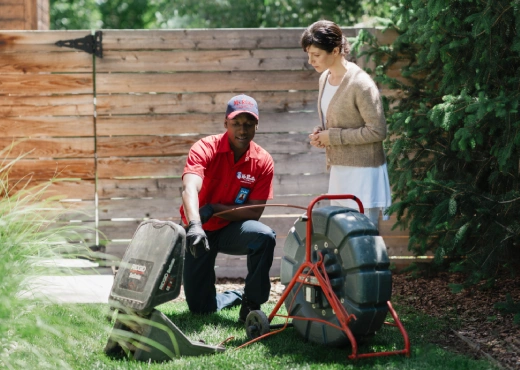
- If the methods mentioned above don’t clear your clog, your next step is to contact a professional plumber. Average drain snakes can’t pull out clogs located too deep in your plumbing, such as tree roots invading and clogging your pipes. This clog type is a job that calls for more extensive plumbing services.