Clogged drains are more challenging to identify than you might realize. Typically, homeowners notice when water stops flowing down the drain and their sinks and other fixtures back up. However, this is not the only indication your drain needs cleaning. You can identify a clogged drain with several other signs. Mr. Rooter Plumbing of Seattle recommends contacting our drain cleaning technicians to assess your clogged drain and resolve it whenever you notice any of the following signs:
- Bad odors coming from drains
- Backed-up toilets
- Bubbling sounds coming from your toilets
- Slow-draining sinks that gurgle
- Puddles of water on the floor around laundry appliances, bathtubs, sinks, and showers
What Drains Are in My Home?
All your home’s drains have one function, and Mr. Rooter Plumbing of Seattle has extensive training and expertise in all issues impacting them. You can get a clogged drain for various reasons, so you typically need a plumbing professional to find the best solution. We've described various drains found in homes and the reasons they develop clogs:
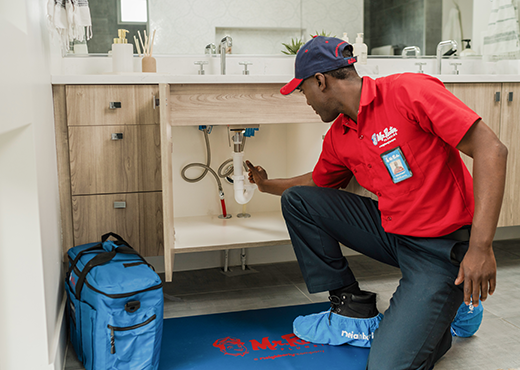
- Bathroom Drains – Typical bathroom drain clogs happen because of built-up soap, hair, and toothpaste. You can place a simple drain cover in your shower or tub drain to collect loose hairs washing out during your showers. We also recommend running hot water when brushing your teeth to prevent toothpaste from hardening in your pipes.
- Kitchen Drains – The main culprits clogging kitchen drains include oil, grease, and food scraps and bits. While cleaning your kitchen after a meal, these elements wash down your drain. Oil and grease are incredibly problematic because they harden and stick in your pipes. While garbage disposal reduces your risk of clogs, you should still avoid letting specific foods wash down your drains, such as fibrous vegetables, meat, and bones.
- Floor Drains – Dust, dirt, and leaves often clog your home’s floor drains. You can find these drains in laundry rooms, basements, and garages. Clogged floor drains are known to cause floor damage. Floor drains are often out of sight, but you should schedule regular cleaning to minimize your risk of developing clogs.
Helpful Tips to Resolve Your Clogged Drain
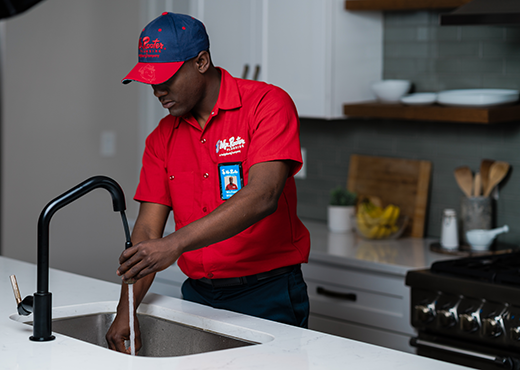
An exceptional starting point to spot a clogged drain is determining if your sink is draining. If your drain is clogged, Mr. Rooter Plumbing of Seattle suggests the following simple ways to fix it:
- While letting your sink drain, prepare a pot or kettle of hot water if your sink still has any water movement. Boiled water is effective at clearing clogs composed of hardened oils and fats. Carefully pour hot water into your drain once all or most of the water drains. Scheduling routine cleanings and inspections also ensure your pipes drain without issues.
- Another simple way to resolve a clogged drain is to remove it with a plunger and drain snake. Sink plungers are smaller and easier to handle, so you can pull a clog close to your drain opening effectively. After plunging your drain, you can pull the material out of your pipe using a drain snake. Your best move is to dispose of that material in your trash rather than flush it down your pipe.
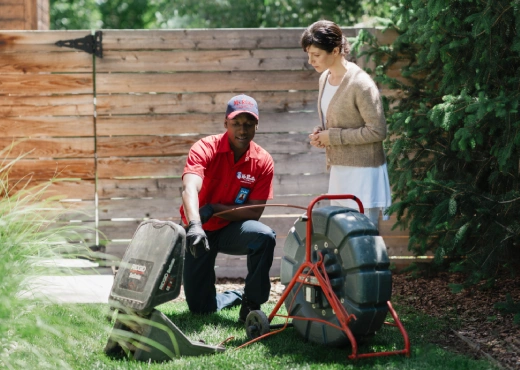
- If a clog persists, your next step is to call a plumber. You cannot snag deep clogs using an average drain snake, such as tree roots invading your pipes and causing clogs. You’ll need more extensive plumbing services to clear this clogged type.