To maximize the efficiency of your heating system, it's essential to insulate hot pipes to prevent heat loss. Proper insulation helps retain heat within the pipes, ensuring that it reaches its intended destination and minimizing energy waste. Here are some common types of insulation materials used for hot water pipes and radiator steam pipes:
- Glass Wool or Fiberglass Pipe Insulation: Glass wool and fiberglass are lightweight materials that provide effective insulation against high temperatures. They are resistant to mold and help prevent heat loss. However, it's important to note that these materials can irritate the skin, eyes, and respiratory system, so they are best installed away from frequently used areas.
- Mineral Wool Insulation: Mineral wool is renowned for its ability to withstand extremely high temperatures, making it ideal for insulating hot pipes. Similar to glass wool and fiberglass, mineral wool effectively prevents heat loss but may cause irritation if in contact with the skin or respiratory system.
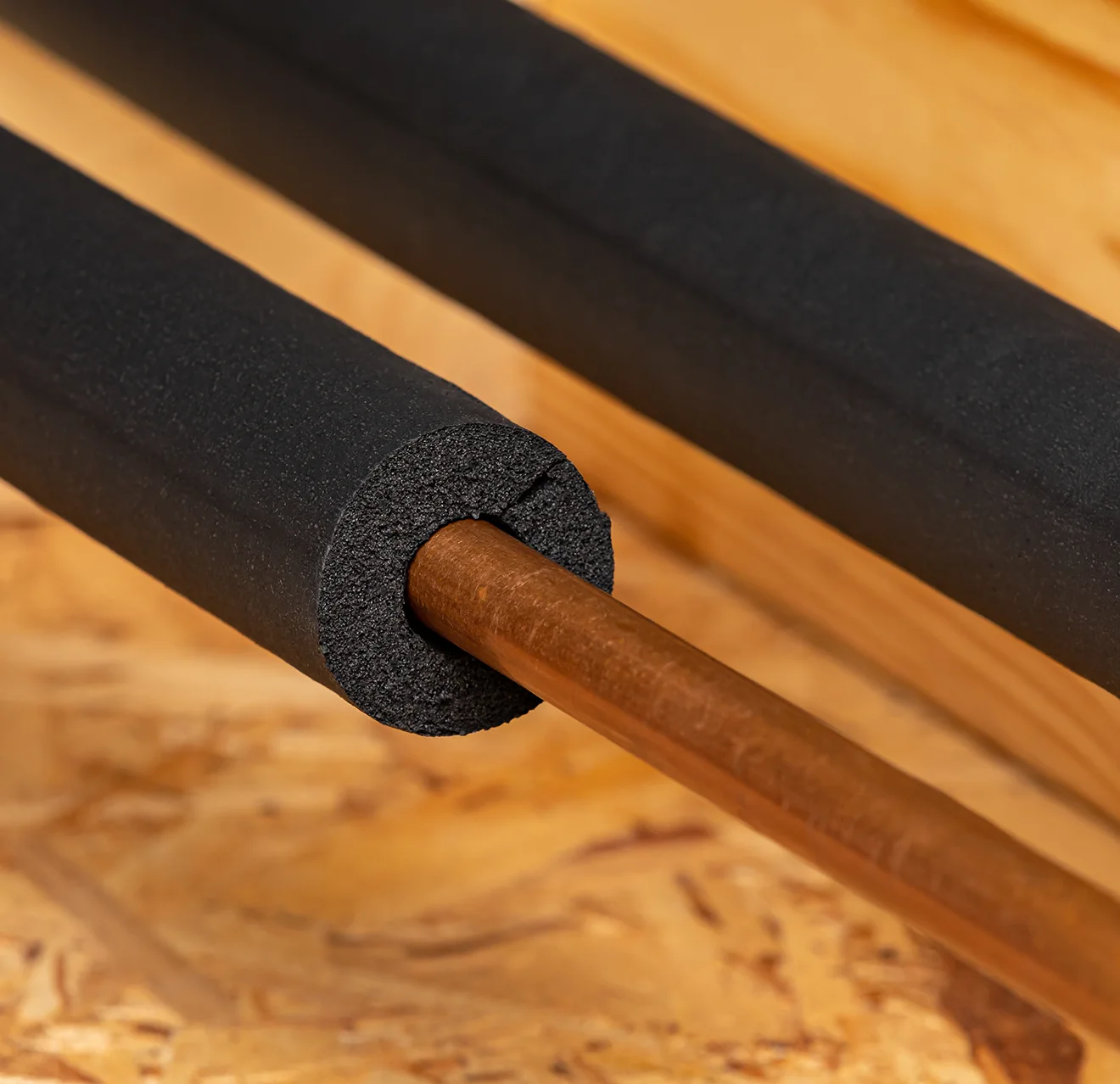
- Flexible Elastomeric Foams or Rubber Pipe Insulation: Elastomeric foams and rubber pipe insulation not only protect against freezing but also provide insulation against heat loss. While they may not offer the same level of heat resistance as fiberglass or mineral wool, they still help minimize energy waste by retaining heat within the pipes.
- Polyethylene Insulation: Polyethylene is a commonly used material for both cold and hot pipe insulation. It is lightweight, durable, and water-resistant, making it suitable for insulating home plumbing systems. Polyethylene insulation effectively prevents heat loss and contributes to the overall efficiency of the heating system.
When selecting insulation for your heating pipes, it's essential to consider factors such as temperature resistance, durability, and potential health hazards. By choosing the right insulation material and properly installing it, you can significantly improve the efficiency of your heating system and reduce energy consumption.