Clogged drains are harder to spot than people typically think. People often notice a clogged drain when their sinks back up, but this is only one sign drain cleaning service is necessary. You can tell your drain is clogged with several other indications. Mr. Rooter Plumbing of Wilmington recommends you contact our drain cleaning experts to examine your drain and resolve a clog anytime you notice any of the following signs:
- Bad Odors coming from drains.
- Backed-up toilets.
- Bubbling sounds coming from your toilets.
- Slow-draining sinks that gurgle.
- Puddles of water on the floor around laundry appliances, bathtubs, sinks, and showers
What Drains Can I Find in My Home?
All your home’s drains have an identical function, and Mr. Rooter Plumbing of Wilmington has extensive industry expertise in all issues impacting them. Drains may clog because of various causes, so finding the best solution depends on finding a trustworthy plumbing professional. We've described some drains you’ll find around your home and the reasons they clog:
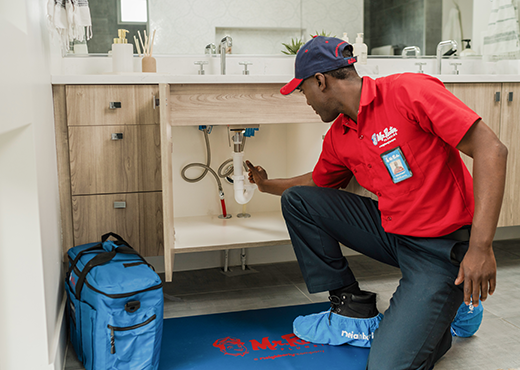
- Bathroom Drains – Soap, hair, and toothpaste are the most common bathroom drain clog causes. You can install simple drain covers to prevent loose hairs from going down the drain as they wash out during your daily showers. We also suggest running hot water while brushing your teeth to keep your toothpaste from hardening in your pipes.
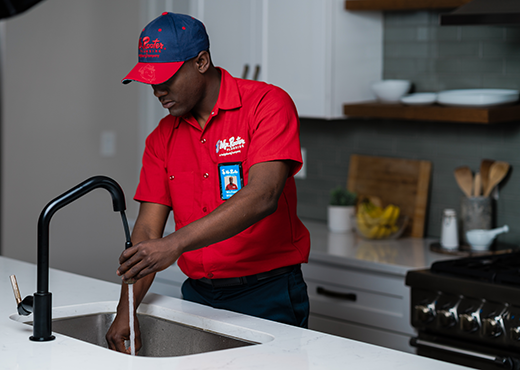
- Kitchen Drains – Particles like oil, grease, and bits of food are the main culprits clogging kitchen drains. When you clean your kitchen after a meal, these elements wash down your drain and collect on pipe walls. Oil and grease are especially harmful since they harden inside your pipes. While garbage disposals can reduce a household’s chance of clogs, people should still avoid washing specific foods down their drains, such as fibrous vegetables, meat, and bones.
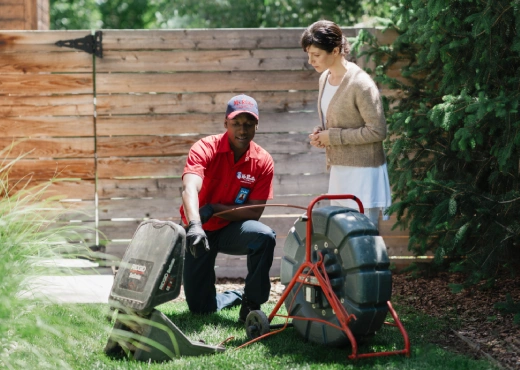
- Floor Drains – Dust, dirt, and leaves are common particles and materials that clog floor drains around your home. You can find these drains in basements, laundry rooms, and garages. A clogged floor drain can cause backups and floor damage. These drains may often be out of sight, but you still need to clean them regularly to reduce your chance of clogs.