Worried that you may have a leak? Whether it’s the incessant dripping of an unseen pipe, strange smells, mold, or changes in pressure, there are some clear signs you may have a pipe leak somewhere in your home:
- Water stains: Look out for stains around fixtures and fittings, as well as ceilings, floors, and closets.
- A dripping sound: You can’t always see the leak, but you may be able to hear it. Listen for that telltale dripping sound, and don’t worry if you can’t track it down, as our technicians use advanced diagnostic equipment to quickly locate the source.
- Changes in your water bill: An unexplained spike in your water bill could mean you’re losing a lot of water somewhere.
- Mold: Leaks that go undetected for a long time usually produce extensive water damage, and all of that moisture attracts mold. Check for black spots and musty smells around your property.
- Low water pressure: Leaks can significantly reduce your water pressure—if you’ve recently experienced a drop in pressure, contact Mr. Rooter®.
- Rust and dripping: The most obvious signs of leaking pipes are when you can actually see the pipe dripping. Alternatively, you may notice water on or around the pipe, as well as visible signs of rust.
How We Detect Hidden Leaks in Your Home
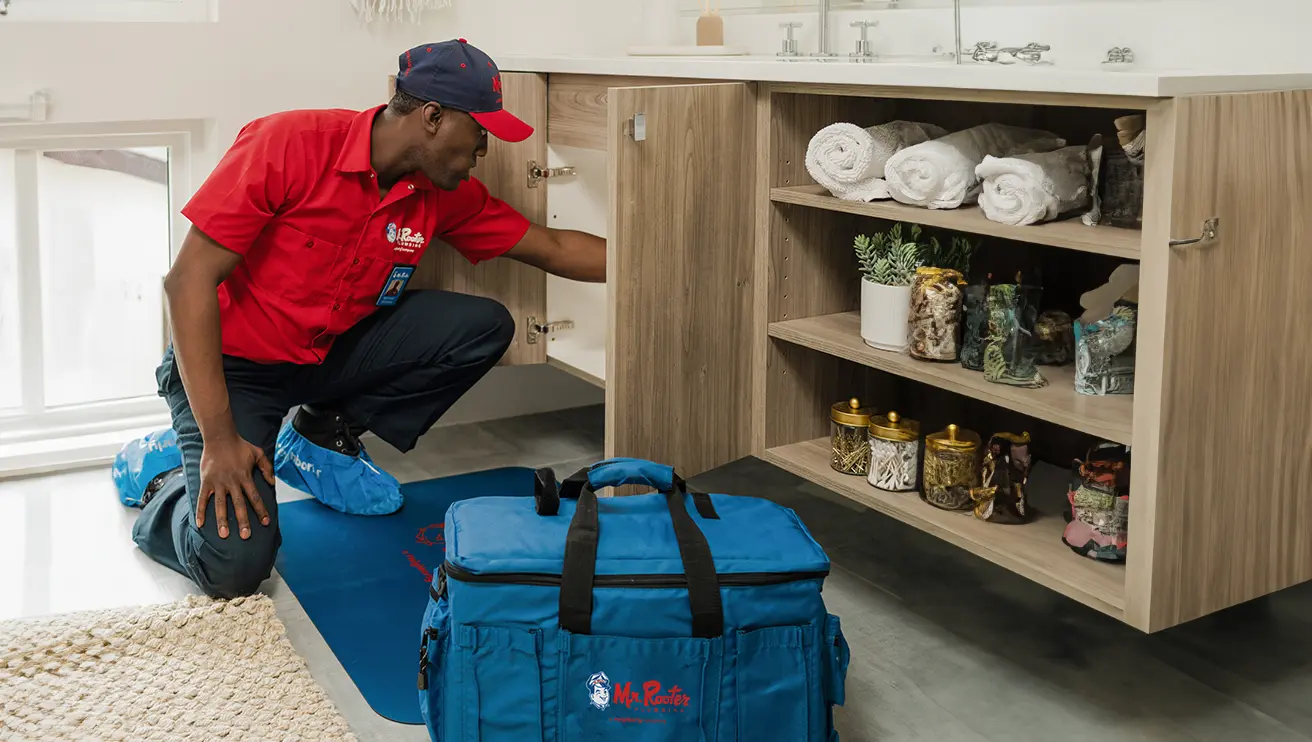
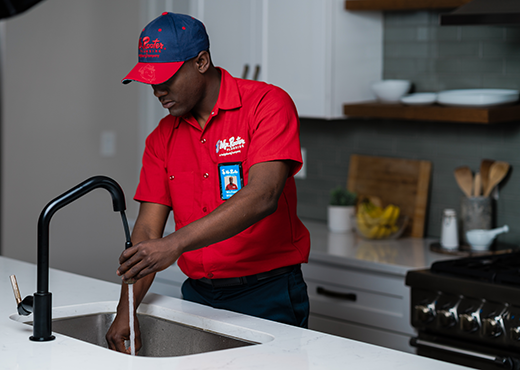
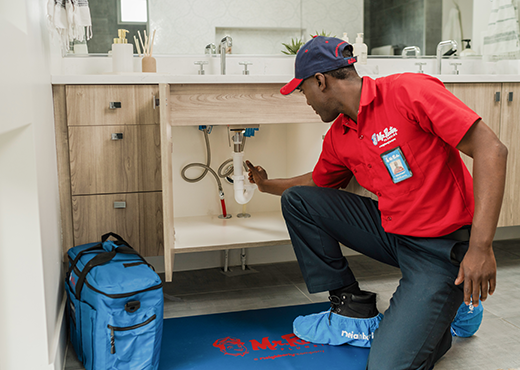
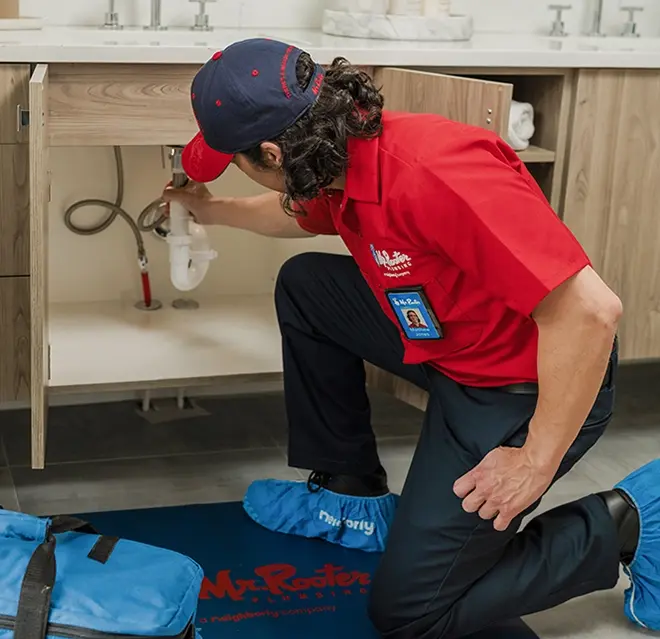
Mr. Rooter® technicians use a series of steps to locate, diagnose, and repair your leak, and they’re also equipped with state-of-the-art supplies to ensure this process runs smoothly.
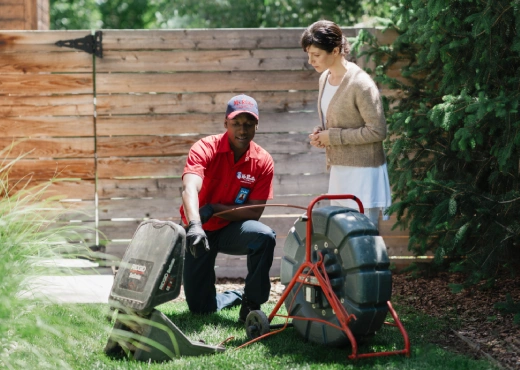
To start, non-invasive leak detection tools locate the source of the leak, with thermal imaging helping us detect slab leaks. We can then snake cameras into the drain to check for interior pipe damage before discussing the best solution with you, including spot repair, fixture replacements, or re-piping.
We’re not there to do the job and then bill you afterward. We’ll keep you informed every step of the way, telling you why certain methods are recommended, what benefits they will provide, and how much the repair will cost.
You only pay what you see, with competitive quotes, no nasty surprises, and work that’s fully backed by the Neighborly Done Right Promise®.
We Repair All Types of Leaks
Leaks in Pipe Joints
Pipe joints are often the weak links in your plumbing systems, especially if they have been poorly fitted and maintained or are made from cheap materials. We’ll find and fix the issue using long-term solutions, preventing future leaks.
Leaks from Corrosion or Cracks
Poorly fitted pipes, old materials, humid salt air, and sediment buildup all cause corrosion, and as the pipes slowly corrode, they’ll eventually crack, causing a substantial leak and a potential plumbing emergency.
Slab Leaks (Under Your Foundations)
Slab leaks occur underneath the foundations. They’re hard to detect, and by the time you realize there’s an issue, it could have already caused serious damage to your property, leading to soil erosion, mold, and damage to floors, walls, and ceilings. Call a Mr. Rooter® professional to quickly detect and repair the leak.
Leaking Fixtures and Connections
You can fix leaking fixtures with a little elbow grease, but if those leaks keep reappearing, we may need to replace certain parts/fittings or check the pipes for corrosion.
Leaks in Water Supply Lines
Water supply lines bring fresh water to your home or business, with pipes that connect to toilets, showers, and sinks throughout your home. If there is an issue with these lines, you may see a spike in your water bill or notice puddles around your property.
Leaks in Waste Lines
Water supply lines bring the fresh water in, and waste lines take the used water away. These lines are prone to blockages, cracks, and corrosion. You may notice strange sounds or smells around your property, as well as multiple slow drains.
Why You Should Never Ignore a Leaking Pipe
Regardless of how insignificant a leak may seem, it can still do damage to your property, and the longer you ignore it, the greater that damage becomes.
Mold and bacteria thrive in stagnant water and spread quickly around wet floors, walls, and ceilings, causing everything from structural damage to bad smells and breathing problems. Wood foundations may rot, your drywall will be destroyed, and you could also notice warping in your flooring.
You may not enjoy living in a moist, moldy home, but many pests would, so it’s common to see everything from termites to cockroaches and pill bugs in water-damaged homes.
How to Prevent Pipe Leaks in Your Home
To prevent pipe leaks in the future, schedule annual plumbing inspections where an expert can inspect your pipes and recommend repairs and alterations. Most homes in Norfolk, VA, don’t have hard water, but if you do, use water softeners to reduce mineral buildup.
Finally, watch out for the signs of leaking pipes, including dripping, strange noises, water damage, and an unexplained increase in your water bill.