ured-in-place pipe lining, sometimes called CIPP, is the method most plumbing professionals use for trenchless repairs. A flexible liner made of felt or fiberglass is saturated with a two-part epoxy resin, then pulled or inverted into the damaged pipe. Once it's positioned correctly, the liner is inflated against the pipe walls and held in place while the resin cures. Heat, UV light, or ambient temperature can speed the curing process depending on the product used. When the resin hardens, it forms a smooth, jointless pipe inside the original one. That smooth interior surface actually improves flow compared to the corroded or rough walls it replaces.
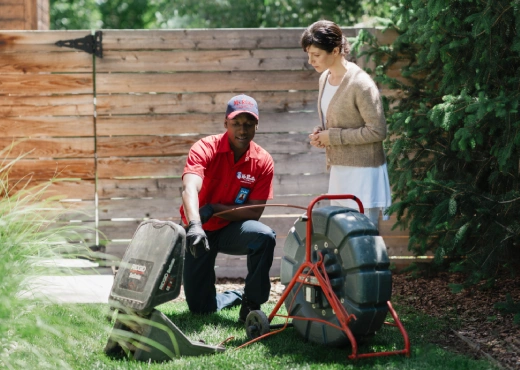
The critical requirement here is that the host pipe has to be structurally capable of supporting the liner. Sections that have collapsed or separated completely can't be relined. That's why the video inspection happens first. If the camera shows a section that's too far gone, your plumber will tell you before the liner is ordered, not after. You get a clear picture of what's there and what the options are before a decision is made.
Pipe relining works for sewer laterals, drain lines, and some water supply applications. In older Richmond neighborhoods where clay or cast iron was the standard material, tree roots are a common culprit. Roots follow moisture, and even a hairline crack in a clay joint gives them an entry point. Once inside, they continue to grow until the flow is restricted or the pipe further degrades. A relined pipe permanently closes those entry points.
After the liner cures, the crew runs a second camera pass to confirm that the liner is seated correctly and that full flow has been restored. The pipe is back in service, typically the same day.