Manchester's older neighborhoods near the Merrimack River still carry plumbing from the city's mill era, meaning plenty of galvanized steel supply lines and cast iron drain pipe nearing the end of their service life. Zinc coating inside galvanized pipe corrodes from the inside out, so a line can look fine on the outside while rust flakes narrow the interior until a pinhole leak opens at a weak joint. New Hampshire's freeze-thaw cycle adds more stress: water trapped in an uninsulated line expands as it freezes, and the pipe often splits when it thaws. Homes on shifting soil sometimes develop slab leaks as the foundation settles, cracking a line hidden under the concrete.
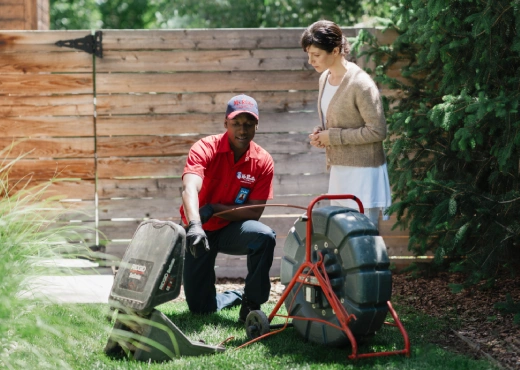
Finding the leak comes before any repair. We run water pressure testing to confirm a drop in the system, then use acoustic listening devices and pipe tracing equipment to pinpoint the wall stud or floor joist hiding the damage. For sewer-adjacent lines, lateral inspection cameras and a full video camera inspection rule out root intrusion or a collapsed clay lateral. Water meter monitoring helps confirm a slow leak between visits, and dye testing checks whether a shower unit overflow is really a supply leak or just a bad seal.
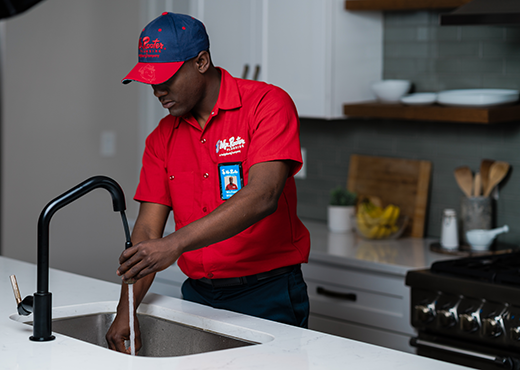
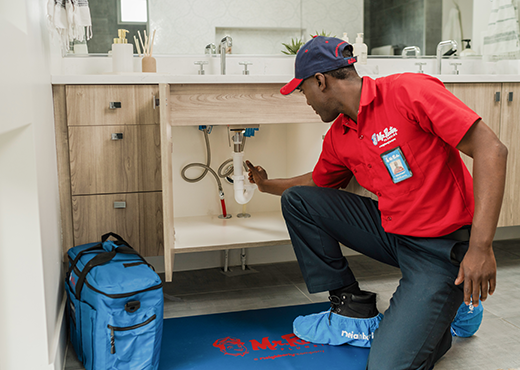
Repairs range from a single spot fix to a full re-pipe. A localized leak on a copper or PEX line often calls for a straightforward pipe repair, while widespread corrosion may require replacing the entire run. We also handle smaller leaks that show up in daily life: leaky faucets, foul odors from a failing drain line, water stains on a ceiling below a bathroom, and low water pressure from mineral scale inside aging galvanized pipe. If your tankless water heater feeds off the same supply lines, we check those connections too.