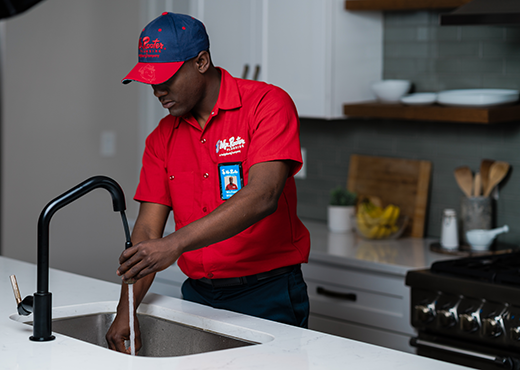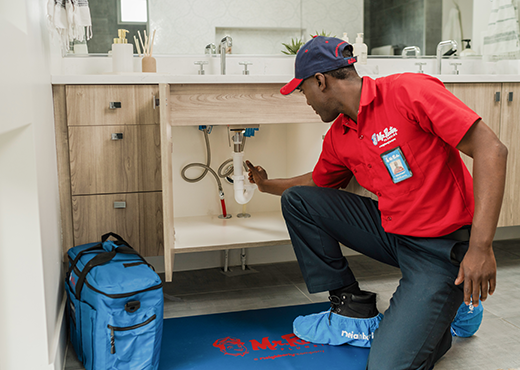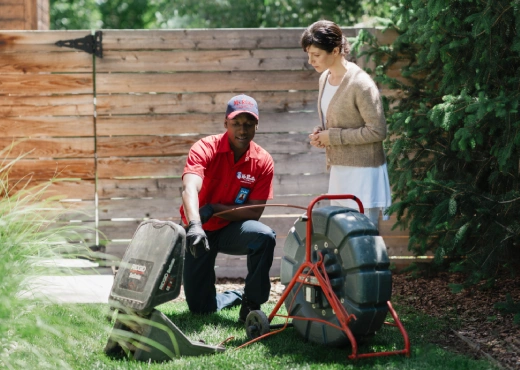

New Hampshire's granite bedrock keeps the groundwater table close to the surface in many Manchester neighborhoods, and homes near low-lying areas deal with groundwater seepage more than most. Our residential service specialists start every service call with a full inspection: pit condition, float switch response, check valve function, and the discharge line all the way to where it daylights outside. A pump running constantly, humming without moving water, or cycling on and off in short bursts. That usually points to a stuck float switch or a worn impeller rather than a dead motor. Left alone, that's water damage waiting to happen, not a problem that fixes itself.
Repairs cover float switch replacement, check valve installation, motor service, and clearing clogged discharge pipes using standard industry techniques. When a unit is beyond saving, we handle sump pump replacement with a properly sized pump matched to pit volume and expected inflow, plus a battery backup sump pump system for homes that lose power during severe storms. That backup system runs the pump on stored battery power for hours, long enough to get through most nor'easters without a flooded basement or a flooded house.
Some Manchester basements need more than a single pump. Crawl space moisture, a high groundwater table, or a discharge line that keeps freezing in winter can call for a perimeter drain or French drain system tied into the pit, along with a dry well to move water further from the foundation. Weep holes in the discharge pipe prevent air lock. A properly sealed wall flange keeps the whole system watertight where it exits the house. We handle the mechanical problems, from a clogged discharge line to full sump pump installation, so basement flooding stays a rare event instead of a spring ritual in Manchester, Rochester, and Laconia homes alike.
Many Manchester properties draw well water from granite aquifers, and that same granite bedrock means stormwater and snowmelt have nowhere to go but sideways once the ground saturates. A discharge line that daylights too close to the foundation just recirculates the same water back toward the sump pit, so we route it well clear of the house and, where the lot allows, tie it into a storm drain or dry well instead. Frost depth in this part of New Hampshire typically runs close to four feet, so buried discharge lines need to sit below that line to meet local codes and avoid splitting when the ground freezes solid in January. On systems with a float-actuated switch instead of a tethered float, we test the trigger height carefully, since those switches can seize in place after a season of sediment buildup. Pairing a working sump pump with a basement waterproofing system, like sealed cove joints along the foundation wall, cuts down on how often the pump has to run in the first place.